
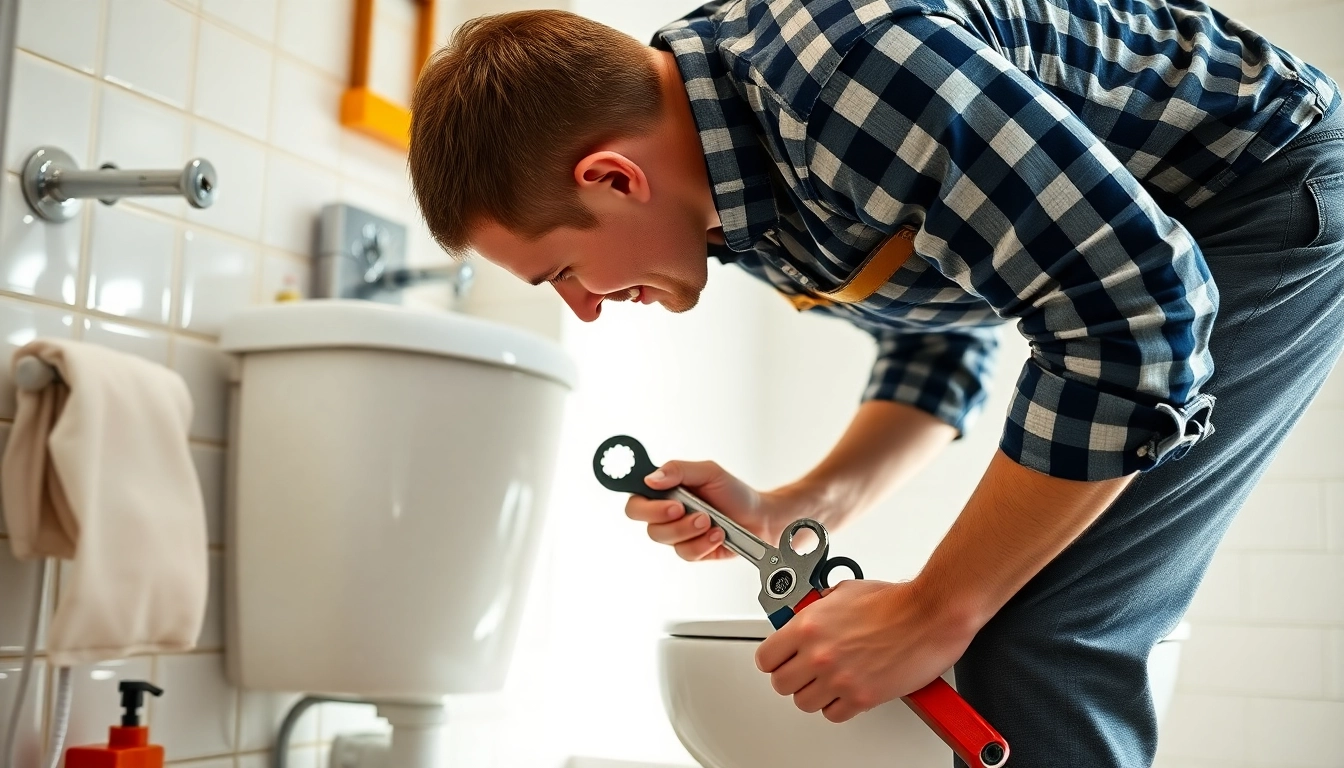
Understanding Common Toilet Issues
Identifying Frequent Problems
Toilets, essential fixtures in any home, can face various issues that compromise their functionality. Understanding these frequent problems is the first step toward effective toilet repair. Some of the most common issues include:
- Running Toilet: This occurs when water continuously flows into the bowl, often due to a faulty flapper or fill valve.
- Clogged Toilet: This can happen when foreign objects obstruct the toilet trap, resulting in slow drainage or complete blockage.
- Leaking Toilet: A leak can manifest around the base or from the supply line, often signaled by puddles on the floor.
- Weak Flush: A weak flush may indicate inadequate water flow due to sediment build-up or issues with the flapper valve.
Symptoms of Toilet Malfunctions
Recognizing the symptoms of toilet malfunctions is critical to timely intervention. Some symptoms to note include:
- Unusual noises such as hissing or gurgling, indicating air leaks or blockages.
- Persistent running toilet after a flush, often due to a malfunctioning component.
- Water pooling around the base of the toilet, which may signal leaks.
- Frequent clogs requiring multiple flushes to clear.
Causes of Toilet Issues
Understanding the causes helps in addressing the problems effectively. Common causes include:
- Aging parts: Over time, toilet components like flappers and seals deteriorate, leading to malfunctions.
- Poor flushing habits: Flushing inappropriate items may cause clogs.
- Mineral build-up: Hard water can lead to mineral deposits, affecting flush efficiency.
- Incorrect installation: Improper setup can lead to various leaks and operational issues.
Step-by-Step Guide to Toilet Repair
Necessary Tools for the Job
Before attempting any repairs, gather the necessary tools to streamline the process. Here’s a list of essential tools:
- Adjustable wrench
- Plumber’s snake
- Toilet auger
- Screwdriver (flathead and Phillips)
- Bucket and sponge for water removal
- Safety glasses and rubber gloves
Basic Repair Techniques
Now that you’re equipped with the right tools, let’s explore some basic repair techniques for common toilet issues:
Repairing a Running Toilet
A running toilet often stems from a faulty flapper or a malfunctioning fill valve. Start by:
- Shutting off the water supply to the toilet.
- Removing the tank lid and checking the flapper valve for wear.
- Replacing the flapper if needed.
- Adjusting or replacing the fill valve if water levels are incorrect.
Clearing a Clogged Toilet
For clogs, use a plunger to create pressure. If that doesn’t work, consider these steps:
- Insert a toilet auger into the bowl and crank to break up the clog.
- If the clog persists, remove the toilet for a deep clean.
- Inspect the bowl and trap for any obstructions.
Fixing a Leaking Toilet
Diagnosing leaks can sometimes be tricky. Follow these steps:
- Check the base and supply lines for visible leaks.
- Inspect the wax ring under the toilet for deterioration; replace if necessary.
- Re-tighten any loose bolts, being careful not to over-tighten.
When to Call a Professional
While many repairs can be performed DIY, there are times when expert intervention is necessary:
- If multiple repairs are needed.
- When repairs don’t fix the issue and problems persist.
- In case of extensive water damage or structural concern.
- If you feel uncertain about tackling the repair yourself.
How to Prevent Future Toilet Problems
Regular Maintenance Practices
Preventative measures can significantly reduce the frequency of toilet issues. Consider adopting the following regular maintenance practices:
- Inspect and replace worn-out parts periodically, such as flappers and seals.
- Regularly check the tank for sediment build-up and clean it out as needed.
- Monitor water levels to ensure they’re at optimal levels.
Upgrading Toilet Components
Investing in high-quality toilet components can enhance reliability. Consider upgrading to components such as:
- Dual flush valves for better water efficiency.
- High-efficiency toilets that consume less water per flush.
- Newer, improved flappers that offer better sealing and longevity.
Signs Indicating Wear and Tear
Being vigilant about wear and tear can preempt more significant issues. Watch for these signs:
- Frequent adjustments needed to the flush handle.
- Unusual noises from the tank or bowl.
- Increased frequency of clogs or overflows.
Cost Considerations for Toilet Repair
Average Costs of Repairs
Understanding the costs associated with toilet repair can help you plan better. Average costs can vary based on the issue:
- Flapper replacement: $10 – $30.
- Fill valve replacement: $10 – $50.
- Clog removal: $50 – $300, depending on the severity.
Budgeting for Toilet Maintenance
To avoid being caught off-guard by expenses, create a budget specifically for toilet maintenance. Consider:
- Estimating repair costs based on prevalent issues.
- Setting aside funds for emergencies and unexpected repairs.
- Investing in quality replacement parts to prevent frequent repairs.
Cost-Effective Solutions
To save money while ensuring longevity in your toilet’s performance, explore these cost-effective strategies:
- DIY repairs for basic issues, using online resources for guidance.
- Routine inspections that may help catch problems early.
- Purchasing replacement parts in bulk or through online retailers for discounts.
Frequently Asked Questions About Toilet Repair
What tools do I need for toilet repair?
Basic tools include an adjustable wrench, a plumber’s snake, a toilet auger, and screwdrivers. Having a bucket and sponge can also be useful for cleanup.
How can I stop my toilet from running?
Check the flapper for wear. If it doesn’t seal properly, replace it. Also, inspect the fill valve for any defects that may be causing constant flow.
What are the signs of a broken toilet?
Signs include continuous running water, leaks around the base, weak flushing, or frequently clogged drains. Regular monitoring can help catch issues early.
Can I repair my toilet myself?
Yes, many toilet repairs are straightforward and can be handled by homeowners with basic tools and instructions, especially common issues like flapper or fill valve replacements.
How much does toilet repair typically cost?
The cost can vary based on the problem, generally ranging from $10 for minor replacements to $300 or more for significant blockages or repairs requiring professional intervention.