Understanding Different Types of Flooring
Choosing the right flooring for your home is not simply about aesthetics; it's also about functionality and durability. With a plethora of options available, understanding the characteristics of each type is essential. This guide will explore various flooring options, from classic hardwood to innovative eco-friendly materials, ensuring you make an informed decision for your space.
1. Hardwood Flooring: Timeless Elegance
Hardwood flooring has long been celebrated for its durability and timeless beauty. Its natural grain patterns add warmth and elegance to any room. Made from solid wood, hardwood can be sanded and refinished multiple times, making it a sustainable choice over the long term. There are two main types of hardwood flooring: solid and engineered.
- Solid Hardwood: Crafted from a single piece of wood, solid hardwood is known for its strength. However, it is sensitive to humidity and temperature fluctuations.
- Engineered Hardwood: Composed of multiple layers of wood, engineered hardwood is more stable and resistant to moisture, making it suitable for basements and rooms with higher humidity levels.
Consider species such as oak, maple, and cherry for their durability and aesthetic appeal. Oak, for instance, features a classic look with strong resistance to wear, while maple boasts a uniform grain and light hue, perfect for contemporary designs.
2. Laminate vs. Vinyl: Key Differences
Laminate and vinyl are both popular choices for homeowners seeking budget-friendly and stylish options. However, these two flooring types cater to different needs and preferences.
- Laminate Flooring: Made from composite wood, laminate mimics the look of hardwood or stone at a fraction of the cost. It is durable, scratch-resistant, and easy to install. However, laminate is not waterproof and can warp when exposed to excess moisture.
- Vinyl Flooring: Available in sheets, tiles, or planks, vinyl is 100% waterproof, making it ideal for kitchens and bathrooms. Modern designs allow vinyl to imitate natural materials convincingly. Vinyl is softer underfoot but less durable than laminate.
Choosing between laminate and vinyl ultimately depends on your lifestyle and the specific demands of each area of your home. For instance, families with children and pets may prefer the durability of laminate, while those needing water-resistant options might lean towards vinyl.
3. Eco-Friendly Flooring Options
As sustainability becomes a priority for many homeowners, eco-friendly flooring options are gaining traction. Sustainable flooring not only lowers your environmental impact but also often features unique aesthetics.
- Bamboo Flooring: Fast-growing and highly renewable, bamboo is a robust alternative to traditional hardwood. It's harder than oak, making it an excellent choice for high-traffic areas.
- Cork Flooring: Harvested from the bark of cork oak trees, cork flooring offers a unique look and a soft feel underfoot. It also provides natural insulating properties and sound absorption.
- Recycled Materials: Many manufacturers are now producing flooring from recycled wood, glass, and plastic, allowing homeowners to make environmentally conscious choices without compromising on style.
When considering eco-friendly options, be sure to check certifications like FSC (Forest Stewardship Council) or Green Label Plus for assurance of the materials' sustainability.
Choosing the Right Flooring for Your Home
With various flooring materials offering diverse benefits, it’s essential to assess your individual needs to make the best choice. Factors like room usage, budget, and aesthetics play a significant role.
1. Assessing Room Usage and Traffic
The first step to choosing the right flooring is understanding the room's primary purpose. High-traffic areas like halls and living rooms require durable flooring that can withstand wear and tear, while quieter areas like guest rooms may prioritize aesthetics and comfort.
- Living Rooms: Here, hardwood or laminate flooring can offer durability combined with visual appeal, enhancing the room's warmth.
- Kitchens: This area benefits from waterproof options like vinyl or tile that are easy to clean and maintain.
- Bathrooms: Moisture-resistant flooring such as vinyl and tile are essential in preventing damage.
Always consider the amount of foot traffic and the specific activities that will take place in each room when making your choice.
2. Budget Considerations for Flooring
Setting a budget is a crucial part of the flooring selection process. Flooring prices can vary widely based on material, installation method, and region.
- Material Costs: Hardwood tends to be on the higher end, while laminate and vinyl generally offer more budget-friendly alternatives.
- Installation Costs: Professional installation can significantly increase the cost. However, some flooring types, like laminate, might be suitable for DIY projects, reducing expenses.
- Long-Term Value: Investing in higher-quality flooring can pay off in the long run, offering better durability and reducing the need for replacement.
Allocate funds not only for the flooring materials but also for installation and additional underlayment if required. Use these tips to create a balanced budget aligned with your vision.
3. Aesthetic Choices to Enhance Design
Flooring plays a vital role in a room's overall aesthetic. The choice of color, pattern, and texture can impact the atmosphere of your home significantly.
- Color Trends: Light colors can make a space feel more expansive, while dark tones add coziness. Consider the effect you want to create in each room.
- Texture: Textured flooring can add depth and warmth, whereas smooth surfaces might be more contemporary and clean-looking.
- Patterns: Mixing and matching different floor types in open-concept spaces can define areas and add visual interest.
Consult with a professional designer if you feel overwhelmed by choices. They can guide you in selecting flooring that enhances your home's overall aesthetic and complements your existing décor.
Proper Installation Techniques for Flooring
Installation methods can vary significantly based on the chosen flooring type. Understanding the proper techniques is vital to ensure longevity and reduce maintenance issues down the line.
1. DIY Tips for Beginners
Many homeowners feel confident tackling installation themselves. Here are some tips for a successful DIY flooring project:
- Preparation: Start with a clean and flat subfloor. Any imperfections can affect the final appearance and durability of your flooring.
- Acclimation: Allow your flooring materials to acclimate to the room temperature and humidity for at least 48 hours before installation.
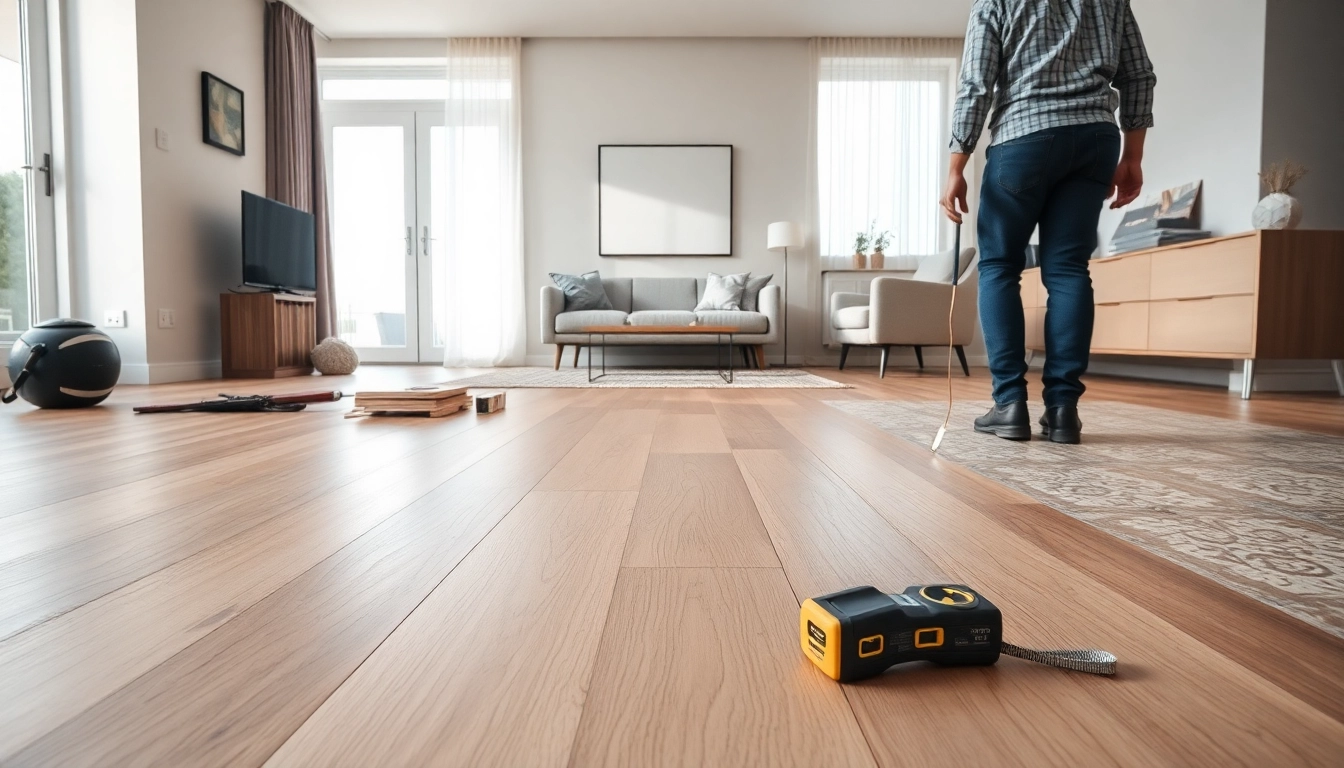
- Tools Required: Invest in essential tools such as a saw, measuring tape, levels, and spacers to ensure precision.
With patience and attention to detail, your DIY flooring installation can be a rewarding experience.
2. When to Hire a Professional
While many flooring projects can be DIY-friendly, some situations necessitate professional help:
- Complex Installations: Intricate patterns or multi-level installations can be challenging and may require an experienced installer.
- Large Projects: If you’re covering a vast area, hiring professionals may speed up the timeline and ensure quality.
- Specialty Floors: Sensitive materials like natural stone require expertise to install correctly.
Weigh the cost against your abilities and comfort level before deciding to hire a professional.
3. Tools Needed for Installation
Having the right tools on hand is critical for a smooth installation process. Commonly needed tools include:
- Utility Knife: Essential for cutting vinyl and carpet flooring.
- Hammer and Tapping Block: These tools are necessary for snugly fitting flooring planks.
- Measuring Tape: Accurate measurements are vital to avoid wastage.
- Pull Bar: Helpful for fitting planks snugly against the wall.
Preparing your toolkit will make your installation process efficient and lead to better results.
Maintaining Your New Flooring Over Time
Once installed, proper maintenance ensures your flooring continues to look and perform its best. Each flooring type requires specific care methods.
1. Cleaning Routines for Different Materials
Keeping your flooring clean not only enhances its appearance but also extends its lifespan. Different materials require different cleaning methods:
- Hardwood: Regular sweeping and a damp mop with a pH-neutral cleaner will keep it looking fresh. Avoid excessive water, which can damage the wood.
- Laminate: Dust regularly and use a slightly damp cloth for spills. Vacuum with a soft brush attachment to avoid scratches.
- Vinyl: Routine sweeping and occasional mopping with a mild detergent to maintain its luster is key.
Tailor your cleaning routine to the material to enhance durability and appearance.
2. Preventative Care Best Practices
Taking proactive steps can prevent many common flooring issues:
- Use Area Rugs: Place area rugs in high-traffic areas to reduce wear and tear.
- Maintain Humidity Levels: Install a humidifier or dehumidifier in your home to prevent warping in wood products.
- Protect From Scratches: Attach felt pads to the bottom of furniture to avoid damaging surfaces.
Implementing these preventative measures can significantly extend the life of your flooring, saving you money in the long run.
3. Repairing Common Flooring Issues
Despite best efforts, wear and tear may occur. Here are common issues and how to address them:
- Scratches on Hardwood: Minor scratches can often be buffed out with a wood polish. For deeper scratches, consider using a wood filler.
- Loose Laminate Planks: Realign and re-attach with adhesive if necessary. Always check the manufacturer's guidelines.
- Vinyl Peeling: Use a vinyl adhesive to reattach loose edges and avoid further damage.
Being proactive about repairs ensures your flooring's beautiful appearance remains intact.
Trends in Flooring for Modern Homes
The flooring industry continually evolves, with new trends emerging to cater to changing styles and preferences. Here’s a look at some of the most exciting trends in flooring today.
1. Innovative Materials on the Rise
More homeowners are embracing innovative materials, which offer unique benefits:
- Luxury Vinyl Plank (LVP): Known for its high durability and affordability, LVP closely resembles hardwood without the cost.
- Resilient Floors: Innovations have led to increased durability and style versatility, appealing to a wide range of homeowners.
These options provide excellent aesthetics combined with exceptional performance, making them popular choices.
2. Popular Color Palettes for 2024
Color trends in flooring shift, with the current favorites leaning towards:
- Natural Tones: Shades of beige, taupe, and greys mimic nature, creating a calming atmosphere.
- Soft Whites: These provide a canvas for bright, colorful decor and enhance a sense of space.
- Bold Hues: Dark blues, forest greens, and deep charcoals are being used to emphasize a dramatic and contemporary style.
When selecting colors, consider the mood you want to create in your home and how various tones interact with your furnishings.
3. Blending Flooring Styles for Unique Looks
The trend towards mixing and matching different flooring styles enriches visual appeal. Here are ways to achieve this:
- Transitions: Use transitions elegantly between areas with different flooring types to create flow.
- Layering Area Rugs: Combine various textures with rugs over hard flooring types to define spaces within open layouts.
- Accent Panels: Incorporate unique accent panels or borders within the flooring design to enhance characteristics and style.
Thoughtfully blending styles creates unique finishes that reflect your personality while remaining functional.
Frequently Asked Questions
1. What flooring is best for high-traffic areas?
Hardwood and laminate are excellent choices for high-traffic areas due to their durability, as well as vinyl's water-resistant qualities, which are also beneficial in mudrooms or entryways.
2. How often should I clean my flooring?
It's advisable to adopt a weekly cleaning routine, ensuring dust and dirt are removed regularly. Deeper cleaning can occur monthly, tailored to the specific type of flooring you have.
3. Can I install flooring over existing flooring?
Yes, many types of flooring, such as laminate and vinyl, can be installed over existing surfaces. However, ensure the surface is level and in good condition.
4. How do I maintain my hardwood floor's shine?
A regular dust-and-mop routine combined with periodic use of a wood floor cleaner will enhance the shine while ensuring protection against damage.
5. Is eco-friendly flooring more expensive?
While some eco-friendly options can be pricier upfront, their durability and sustainability benefits can lead to savings and a positive environmental impact over time.